
Masters Engineering project could boost soil health
Posted 30 May 2019
I hope that this project will be the start of something bigger, and potentially promote the use of this tractive device within agricultural robotics

An ever-increasing population is applying immense pressure on the global food chain. As a result, utilising the limited fertile land is one of the largest challenges for agriculture.
Although bigger and heavier equipment is increasing the efficiency of crop production, the associated soil degradation in the form of compaction from these larger vehicles is decreasing crop yields and soil health to a large extent. It has been estimated that the losses in crop yield from soil compaction equate to £1.2bn a year across England and Wales. In light of the substantial impact that heavy machinery is having on crop yield and soil health, Harper Adams Agricultural Engineering Masters student, James Vining, hopes to help to change all that.
James said: "Currently the method by which agricultural tractors generate traction is through a reliance on ballast weight to provide sufficient downforce in order to achieve forward motion. This ballast weight is reported to be of up to 2.5 times the required draft force of the implement to sufficient traction. It is this ballast weight and the process of attaining traction which results in the soil compaction under the tyre or track”, said James, from Devon.
With the support of the James Hutton Institute and Harper Adams Senior Engineering Lecturer David White, James, 23, is furthering the development of a novel mechanical system, with the aim to achieve traction over agricultural soils without reliance on a ballast weight. Instead, this novel traction development system uses an interlocking drive system based upon a combination of inching locomotion and self-actuating retractable tines. This should minimise compaction of the soil during operation to enable sustainable land use.
The collaborative project came about through a connection between David White and Dr Blair McKenzie of the James Hutton Institute. Work is progressing well so far: a performance review has been conducted and potential areas for optimisation have been identified.
“I hope that this project will be the start of something bigger, and potentially promote the use of this tractive device within agricultural robotics. It could prove to be part of the important aim of maximising efficiency while maintaining maximum soil health and improving crop yields”, James added.
Most popular
-
 125th anniversary celebrations launched by Chancellor Her Royal Highness The Princess Royal
29 September -
 缅北禁地 launches free and immediate mental health and wellness support for students
18 September -
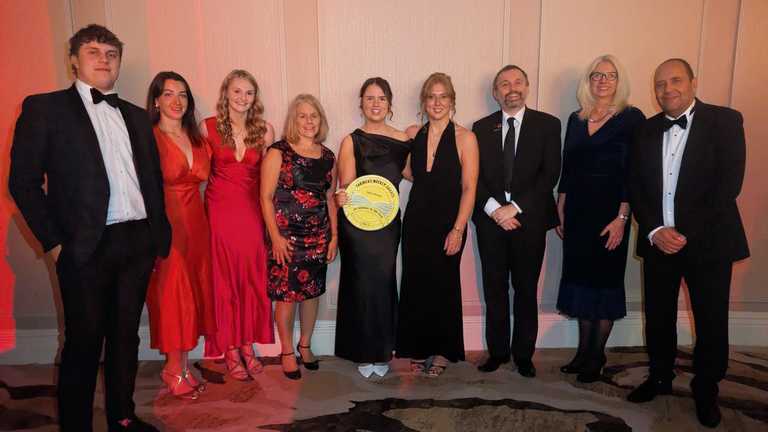 Graduate planning to transform Shetland farming named Farmers Weekly Ag Student of the Year
2 October -
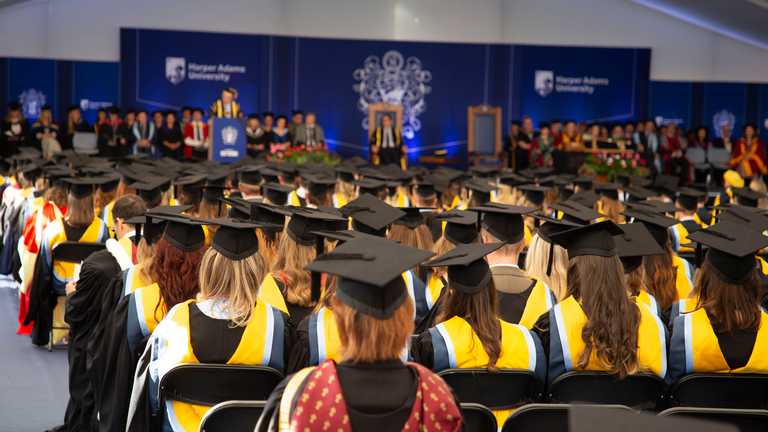 Graduation 2026: meet our alumni speakers
18 September -
 Watch: Students join 125 years of pioneers at 2026 Graduation ceremonies
16 September -
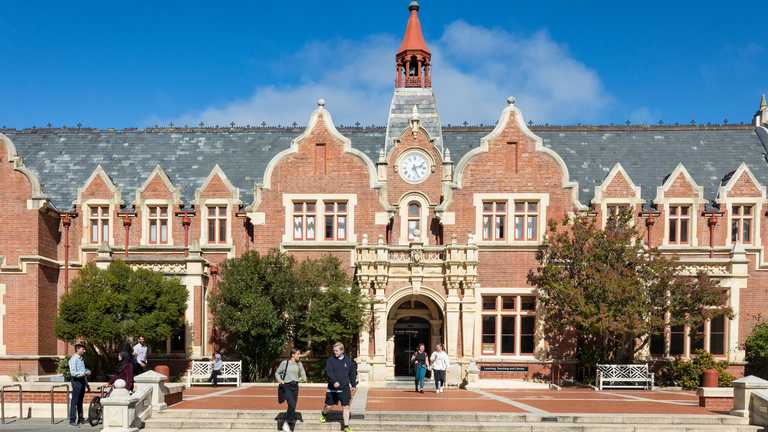 缅北禁地 and Lincoln University, New Zealand, launch global agricultural futures alliance
17 September
Related articles
Graduate planning to transform Shetland farming named Farmers Weekly Ag Student of the Year
Posted 2 OctoberGraduation 2026: meet our alumni speakers
Posted 18 September